Introduction
Have you ever wondered what makes your swimming pool water so clean, or why your tap water smells slightly different after treatment? The answer often comes down to one powerful little element. The cl element, better known as chlorine, plays a bigger role in your daily life than you probably realize. It sits quietly on the periodic table, yet it touches almost everything you use each day, from the water you drink to the bleach you clean with.
In this article, you will learn exactly what the cl element is and why scientists consider it so important. You will also discover its physical and chemical properties, its many uses, and the safety precautions you need to know. By the end, you will understand why chlorine deserves both respect and caution, and how it compares to other elements in its family.
What Is the Cl Element?
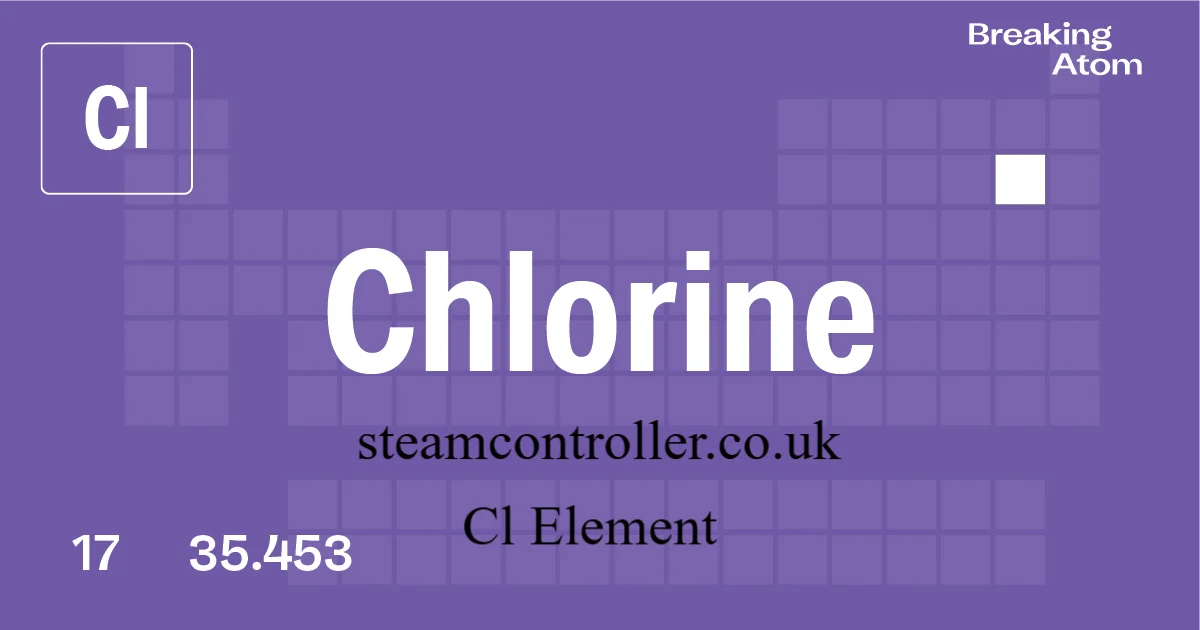
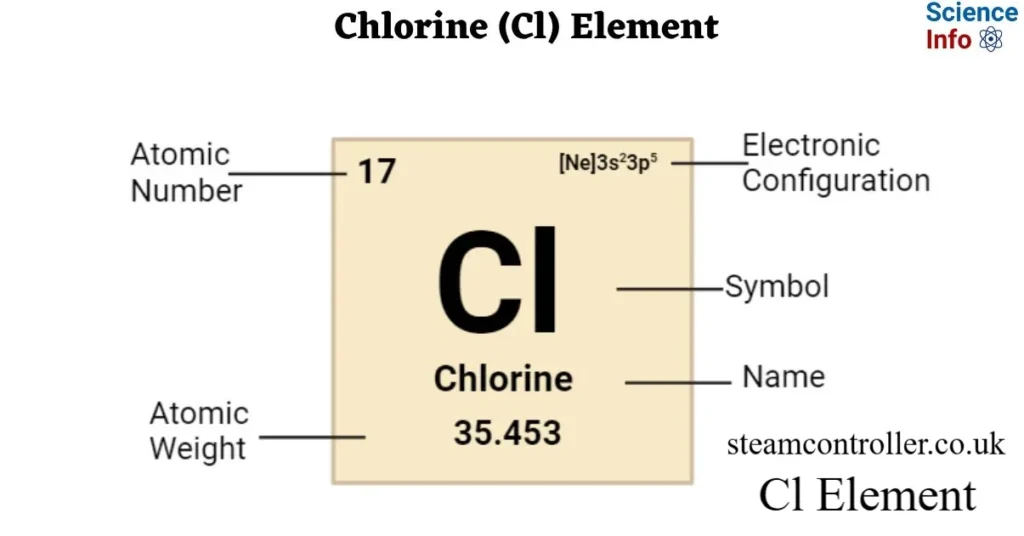
Cl is simply the chemical symbol for chlorine. You will find it on the periodic table with an atomic number of 17, meaning every chlorine atom carries 17 protons in its nucleus. Chlorine belongs to Group 17, a family of elements called halogens.
This group also includes fluorine, bromine, and iodine. All halogens share one thing in common. They are highly reactive and rarely sit still. They want to bond with other elements almost immediately.
At room temperature, the cl element exists as a yellowish green gas. It carries a sharp, pungent smell that most people recognize instantly, especially near swimming pools. This strong odor works almost like a warning sign, alerting you before you get too close.
Physical and Chemical Properties of Chlorine
Understanding the properties of the cl element helps explain why it behaves the way it does. Chlorine has a few standout characteristics worth knowing.
- It has an atomic mass of about 35.45 units.
- It is denser than air, so it tends to settle low to the ground.
- It dissolves in water, which makes it useful for disinfection.
- It readily forms bonds with metals and nonmetals alike.
Chemically, chlorine is a nonmetal with high electronegativity. This simply means it pulls electrons toward itself very strongly during chemical reactions. That pull is exactly why chlorine reacts so easily and why you rarely find pure chlorine sitting around in nature.
Why Chlorine Is Rarely Found Alone
Because the cl element reacts so quickly, it almost always bonds with something else. In nature, you will usually find chlorine locked inside compounds rather than existing freely. The most familiar example is sodium chloride, otherwise known as ordinary table salt.
Chlorine also combines with hydrogen to form hydrochloric acid, a compound your own stomach produces to help digest food. These natural pairings show just how eager chlorine is to bond, and why isolating it in its pure gas form takes deliberate industrial effort.
Common Uses of the Cl Element
Chlorine touches far more parts of daily life than most people expect. Its reactivity, which can sound intimidating, actually makes it incredibly useful.
Water Treatment and Sanitation
One of the biggest jobs for the cl element is keeping water safe to drink. Water treatment plants add chlorine to kill bacteria, viruses, and other harmful microorganisms. This single step has saved countless lives by dramatically reducing waterborne diseases over the past century.
Swimming pools rely on chlorine too. It stops algae growth and destroys germs that would otherwise make pool water unsafe. That familiar pool smell you notice is actually a sign chlorine is doing its job.
Household and Industrial Products
You probably have chlorine sitting in your home right now without realizing it. Household bleach contains chlorine compounds that whiten clothes and disinfect surfaces. Many cleaning products use chlorine based chemicals to kill germs on countertops and bathroom tiles.
Industries also depend heavily on chlorine. Manufacturers use it to produce plastics like PVC, paper products, and even certain medicines. Without chlorine, many everyday items simply would not exist in their current form.
Healthcare Applications
In healthcare settings, chlorine based disinfectants help sterilize equipment and surfaces. Hospitals rely on these solutions to reduce the spread of infection. Chlorine compounds also appear in certain medications, showing just how versatile this element really is.
Safety Precautions When Handling Chlorine
While the cl element offers many benefits, it demands respect. Chlorine gas is toxic in concentrated amounts and can cause serious harm if handled carelessly.
Here are some safety tips worth remembering.
- Always use chlorine products in well ventilated areas.
- Never mix bleach with ammonia, since this creates dangerous toxic fumes.
- Store chlorine based chemicals away from children and pets.
- Wear gloves and eye protection when handling concentrated chlorine solutions.
- Seek fresh air immediately if you smell strong chlorine odors indoors.
I always recommend reading product labels carefully before mixing any household cleaners. A simple mistake, like combining the wrong chemicals, can quickly turn a cleaning task into a health hazard.
Chlorine Compared to Other Halogens
Since chlorine belongs to the halogen family, comparing it with its relatives helps you understand its unique place on the periodic table.
- Fluorine sits above chlorine and reacts even more aggressively. It appears in toothpaste to strengthen tooth enamel.
- Bromine is a reddish brown liquid at room temperature and is used in flame retardants.
- Iodine appears as a dark purple solid and plays a vital role in thyroid health.
Compared to these elements, the cl element strikes a practical balance. It reacts strongly enough to disinfect effectively, yet it remains manageable enough for widespread industrial and household use. This balance explains why chlorine, more than its halogen siblings, became the go to choice for water treatment worldwide.
Frequently Asked Questions
What is the Cl element? The cl element is chlorine, a reactive nonmetal gas found in Group 17 of the periodic table. It has an atomic number of 17 and commonly appears in compounds rather than as a free element.
What is chlorine used for? Chlorine is used for water purification, pool disinfection, household bleach, and manufacturing products like plastics and paper.
Is chlorine dangerous? Yes, chlorine gas is toxic in high concentrations and can irritate your eyes, throat, and lungs. Small, controlled amounts used in water treatment are considered safe.
Where is chlorine found in nature? Chlorine rarely exists alone in nature. It is usually found combined in compounds such as sodium chloride in seawater and rock salt deposits.
Why is chlorine added to drinking water? Chlorine kills harmful bacteria and viruses in water, making it safe to drink and helping prevent the spread of waterborne diseases.
Can chlorine exposure be treated? Mild exposure often improves with fresh air and rest. Severe exposure requires immediate medical attention.
Does chlorine expire in pool water? Chlorine breaks down over time due to sunlight and heat, so pools need regular chlorine top ups to stay properly sanitized.
Conclusion
The cl element might seem like a simple two letter symbol on the periodic table, but its impact on daily life is massive. From the water flowing through your tap to the bleach in your laundry room, chlorine quietly works behind the scenes to keep things clean and safe. Understanding its properties, uses, and safety guidelines helps you appreciate this element while handling it responsibly.
Next time you jump into a pool or pour a glass of tap water, you will know exactly what the cl element is doing to protect you. Do you have any experiences with chlorine products at home? Feel free to share this article with someone who might find it useful.
steamcontroller.co.uk
Author Name: Hamid Ali
Email: johanharwen314@gmail.com
About the Author: Hamid Ali is a science content writer passionate about breaking down complex chemistry topics into simple, easy to understand articles. He enjoys helping readers connect everyday products with the science behind them.