Introduction
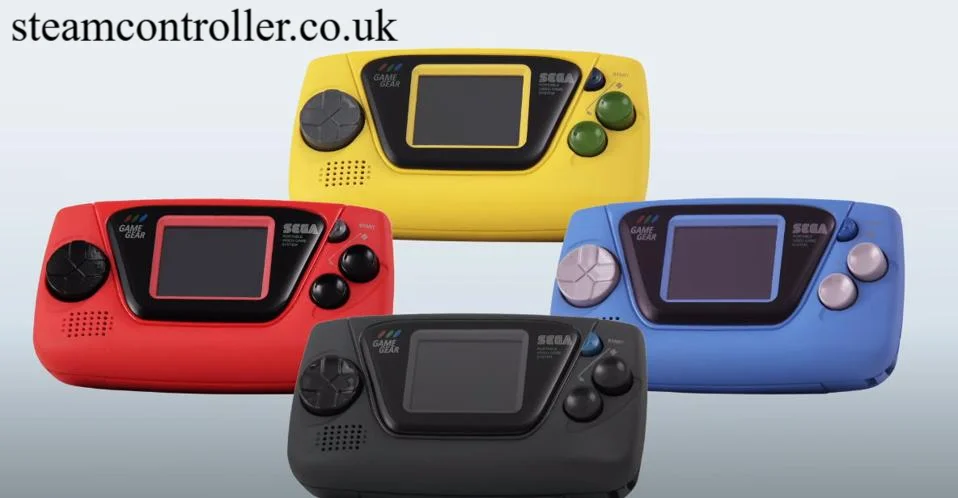
The Sega Game Gear is one of the most recognizable handheld gaming consoles of the 1990s. Developed by Sega, it brought colorful portable gaming to players at a time when many handheld systems still relied on monochrome displays. Its landscape design, backlit color screen, and collection of entertaining games helped it stand out in the growing portable gaming market.
Released in Japan on October 6, 1990, the console later arrived in North America and Europe in 1991. It offered a different experience from traditional home consoles by allowing players to enjoy familiar gaming adventures while traveling. Although it eventually faced strong competition and hardware limitations, its classic games, distinctive design, and place in Sega’s history continue to attract retro gaming enthusiasts.
What Is the Sega Game Gear?
The Sega Game Gear is an 8-bit handheld video game console designed and marketed by Sega. It was created to bring console-style entertainment into a portable format, giving players access to colorful graphics, physical buttons, and interchangeable game cartridges. Its design was inspired partly by Sega’s Master System hardware, allowing developers to adapt several existing games for the smaller screen.
Unlike many contemporary handheld devices, the console featured a full-color backlit LCD display. This made its games visually appealing, although the technology required considerable battery power. Players could enjoy platformers, racing games, puzzles, action adventures, and sports titles without connecting the system to a television.
sourecs: amazon.com
History and Development of the Sega Game Gear
Sega introduced the Game Gear in Japan in October 1990 before expanding its availability to international markets in 1991. The company wanted to compete in the portable gaming industry with a system that offered more colorful visuals than many competing handheld consoles. Its technology and design helped Sega establish a recognizable identity in portable entertainment during the early 1990s.
The console gained attention because it brought familiar Sega franchises into a handheld format. However, its relatively high launch price, substantial battery consumption, and competition from Nintendo’s Game Boy created challenges. Despite these limitations, it developed a dedicated audience and remained an important part of Sega’s hardware history until its discontinuation in 1997.
Sega Game Gear Features and Technical Specifications
One of the most distinctive features of the console was its 3.2-inch backlit color LCD screen. It displayed colorful graphics in a landscape orientation, creating an experience that felt closer to home console gaming. The system also included a directional control pad, two main action buttons, and dedicated Start and Pause controls.
Under its compact exterior, the hardware used a Zilog Z80 processor running at approximately 3.58 MHz. Its specifications were closely related to the Sega Master System, although the handheld used a different screen resolution and color presentation.
| Specification | Details |
| Manufacturer | Sega |
| Release year | 1990 |
| Console generation | Fourth generation |
| Processor | Zilog Z80 |
| Processor speed | Approximately 3.58 MHz |
| Display | 3.2-inch color LCD |
| Resolution | 160 × 144 pixels |
| Game format | Cartridge |
| Battery | Six AA batteries |
| Display orientation | Landscape |
The original system also supported accessories that expanded its functionality. Its TV Tuner attachment allowed users to receive television broadcasts where compatible signals were available. However, battery consumption remained a major disadvantage, making rechargeable battery packs and AC adapters useful alternatives for regular players.
Best Sega Game Gear Games You Should Know
The game library played a major role in building the console’s reputation. Sega brought several recognizable franchises to the handheld, while third-party developers contributed racing, adventure, fighting, and puzzle experiences. Many titles were designed specifically for portable play, while others adapted ideas from popular home console releases.
- Sonic the Hedgehog: Introduced fast platforming adventures featuring Sega’s famous blue mascot.
- Sonic Chaos: Delivered colorful levels, familiar characters, and entertaining platforming challenges.
- Sonic Triple Trouble: Offered another exciting handheld adventure with new level designs.
- The GG Shinobi: Combined ninja action with challenging stages and combat.
- Columns: Provided an enjoyable puzzle experience based on arranging falling colored jewels.
- Streets of Rage: Brought side-scrolling fighting action to portable players.
- Castle of Illusion Starring Mickey Mouse: Featured imaginative environments and platforming challenges.
These titles demonstrate the variety available to players. Whether you enjoyed fast-paced action or relaxing puzzles, the library offered different experiences that helped make the system memorable.
Sega Game Gear vs. Sega Genesis: Understanding the Difference
The Sega Genesis and the Game Gear served different purposes within Sega’s gaming lineup. The Genesis was a home console designed for television-based entertainment, while the handheld system focused on portable gaming. Both became associated with Sega’s popular franchises, but their hardware capabilities and playing experiences were different.
The Genesis delivered more advanced 16-bit graphics and sound, making it suitable for larger home gaming experiences. The handheld used 8-bit hardware and a smaller display to provide entertainment on the move.
| Feature | Game Gear | Sega Genesis |
| System type | Handheld console | Home console |
| Hardware | 8-bit | 16-bit |
| Display | Built-in color LCD | Television |
| Game format | Cartridges | Cartridges |
| Main purpose | Portable gaming | Home gaming |
| Popular franchise | Sonic the Hedgehog | Sonic the Hedgehog |
The Sega Genesis Mini later introduced a compact modern version of the classic home console, featuring a selection of preinstalled games. It should not be confused with the original Genesis or the portable Game Gear.
Sega Game Gear vs. Sega Master System
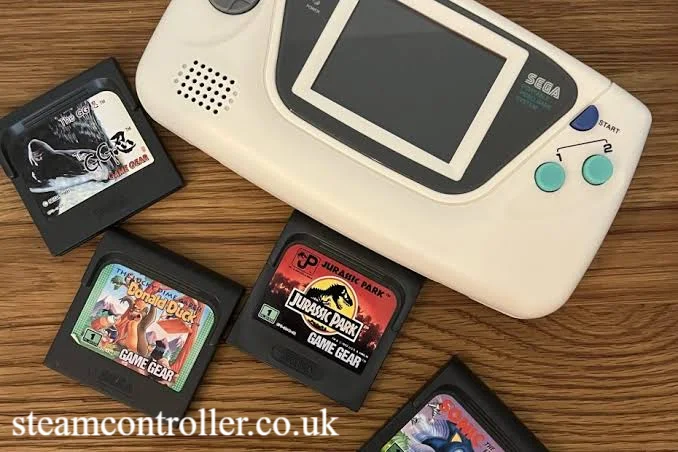
The Sega Master System was an 8-bit home gaming console that shared important hardware similarities with the handheld system. Both used Zilog Z80 processor technology, which made it possible for developers to adapt certain Master System games for portable play. This connection helped expand the handheld’s game library and gave Sega fans opportunities to enjoy familiar gaming experiences in a different format.
However, the two systems were not identical. The Master System connected to a television and offered a larger viewing area, while the handheld included its own color display and controls. Special accessories, such as the Master Gear Converter, also allowed players to use compatible Master System cartridges on the portable console.
Sega Consoles and Their Impact on Gaming History
Sega has produced several memorable gaming systems that influenced the development of the video game industry. Its consoles introduced popular characters, creative gameplay mechanics, and memorable franchises that attracted millions of players. From early 8-bit hardware to more advanced systems, the company experimented with different technologies and entertainment experiences.
- Sega Master System: An 8-bit home console known for its arcade-inspired games.
- Sega Genesis: A popular 16-bit system featuring memorable action and platform games.
- Sega CD: A hardware add-on that introduced CD-based gaming experiences.
- Sega Saturn: A 32-bit console recognized for its arcade-style and 3D games.
- Sega Dreamcast: A system remembered for its innovative features and online gaming capabilities.
Each console contributed something different to Sega’s identity. The handheld system became part of this history by demonstrating the company’s interest in portable entertainment and colorful gaming experiences.
Sega Game Gear Accessories and Gaming Enhancements
Accessories helped players get more functionality from their handheld consoles. Sega offered several products designed to improve convenience, extend playing sessions, or introduce additional entertainment features. These accessories also made the system more interesting to collectors because complete original sets could include hardware, cables, cases, and specialized attachments.
- TV Tuner: Allowed compatible television broadcasts to appear on the handheld screen.
- Rechargeable battery pack: Provided an alternative to repeatedly replacing disposable batteries.
- AC adapter: Allowed players to operate the console using an electrical outlet.
- Carrying case: Protected the device and made transportation easier.
- Screen magnifier: Enlarged the visible gaming area for some users.
- Master Gear Converter: Supported compatible Master System cartridges.
The TV Tuner was particularly interesting because it transformed the console into a small portable television. Although modern smartphones offer much more advanced entertainment features, this accessory demonstrated how manufacturers experimented with multifunctional portable devices during the 1990s.
Sega Game Gear Legacy and Influence on Modern Gaming
The console remains an interesting part of gaming history because it introduced portable color gaming to a generation of players. Its screen, recognizable design, and connection to popular Sega franchises created an experience that differed from many competing handheld systems. Although its commercial performance did not match the success of some rivals, it developed a loyal following among enthusiasts.
Today, retro gaming communities continue to discuss its classic library, original hardware, and restoration projects. Collectors also appreciate its historical importance and the opportunity to experience older games on authentic equipment. Emulation and modern gaming collections provide additional ways to revisit some of its memorable titles without needing an original device.
Sega Game Gear Collecting: Value, Condition, and Buying Tips
Collecting original hardware can be rewarding, but buyers should carefully inspect a used console before making a purchase. Age-related problems are common, especially with systems that have spent decades in storage. Screen condition, battery compartment cleanliness, working buttons, and audio quality can significantly affect the overall experience and potential resale value.
- Check the screen for scratches, dead pixels, and display problems.
- Inspect the battery compartment for corrosion or leakage.
- Test the directional pad and action buttons.
- Listen for clear sound from the speakers and headphone connection.
- Check whether the cartridge slot reads games correctly.
- Ask whether the console has received capacitor replacements or other repairs.
Original condition, included accessories, rarity, and demand all influence collecting prices. PriceCharting and completed marketplace sales can help you understand current market values. Avoid assuming that every old console is valuable, and remember that refurbished systems may cost more because of their replacement parts and repair work.
Modern Sega Gaming Products and Related Developments
Sega’s gaming history continues to attract interest through modern collections, merchandise, and retro-inspired products. The Sega Genesis Mini is one example of how classic gaming experiences have been brought to modern audiences. It features a compact design and preinstalled games, allowing players to revisit selected Genesis titles without searching for original cartridges.
Other products and releases also keep the company’s older franchises recognizable. Sega Genesis Classics provides access to a collection of classic games on supported modern platforms, while Sonic-themed merchandise introduces familiar characters to new audiences. Products such as NKOK Sonic & Sega All-Stars Racing RC cars extend these gaming brands into toys and collectibles. These products are different from original gaming hardware, but they demonstrate the continuing appeal of Sega’s entertainment properties.
Conclusion
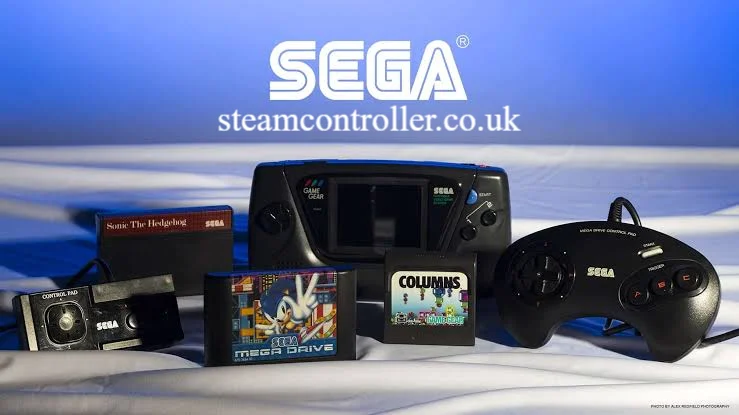
The Sega Game Gear holds a special place in the history of portable gaming. Its colorful backlit screen, recognizable design, cartridge-based library, and connection to popular Sega franchises helped distinguish it from competing handheld consoles. Although battery consumption, pricing, and competition limited its commercial success, the system introduced an enjoyable portable experience for players during the 1990s.
Today, its importance goes beyond its original sales performance. Retro gaming fans appreciate its memorable titles, collectors search for original hardware, and restoration enthusiasts continue bringing old systems back to life. Whether you are interested in gaming history, classic Sonic adventures, or collecting vintage consoles, this handheld remains an interesting example of Sega’s creativity and ambition.
Frequently Asked Questions
What is the Sega Game Gear?
It is an 8-bit handheld gaming console developed by Sega and released in 1990 with a built-in color screen.
When was the Sega Game Gear released?
It launched in Japan on October 6, 1990, followed by releases in North America and Europe in 1991.
How many games were released for the console?
Its library contains hundreds of titles, including Sonic the Hedgehog, Shinobi, Columns, and Streets of Rage.
What are the best games to play on it?
Popular choices include Sonic Triple Trouble, The GG Shinobi, Sonic Chaos, Castle of Illusion, and Columns.
Is the handheld compatible with Sega Master System games?
Yes, compatible Master System cartridges can be played using a special Master Gear Converter accessory.
How long does its battery last?
The original system typically provides around three to five hours of gameplay, depending on battery quality and usage.
Can you still buy an original Sega Game Gear?
Yes, used, refurbished, and collectible units are available through retro gaming stores and online marketplaces such as eBay.
Is the console worth collecting today?
Yes, it can be an interesting collectible for retro gaming fans, especially when it includes working hardware, original accessories, and classic cartridges.
Also Read