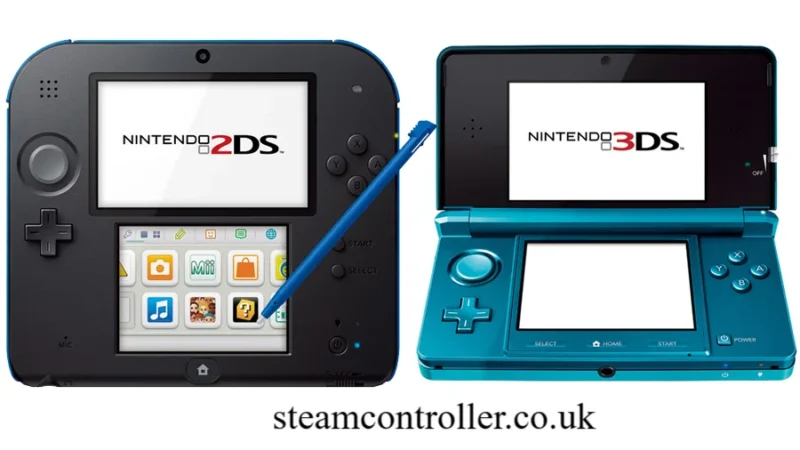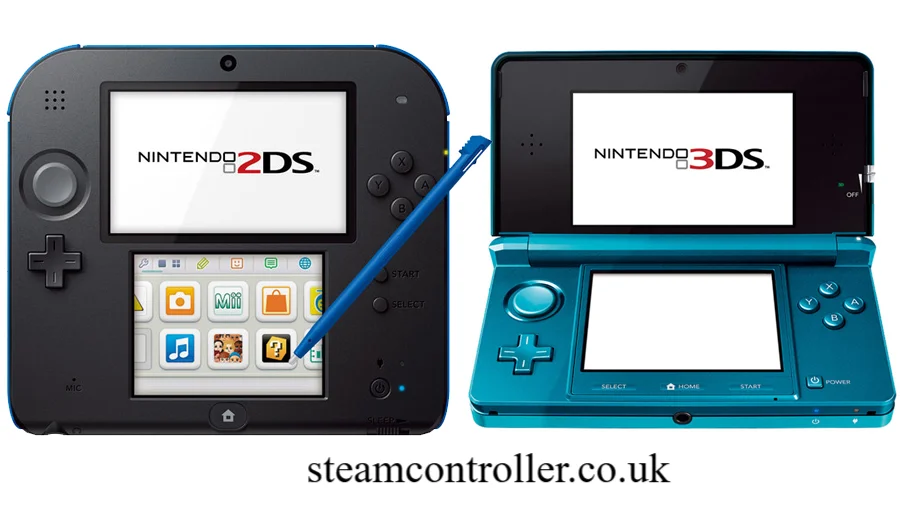
The Nintendo DS was a two-screen handheld from Nintendo that launched in 2004 and went on to sell more than 150 million units worldwide. It turned the stylus, the touchscreen and a second display into mainstream gaming tools. Two decades later, with its 22nd birthday this November, it still sparks strong nostalgia and a growing collector market.
This guide covers where the DS came from, what made it different, the games and models worth knowing, and whether buying one today makes sense.
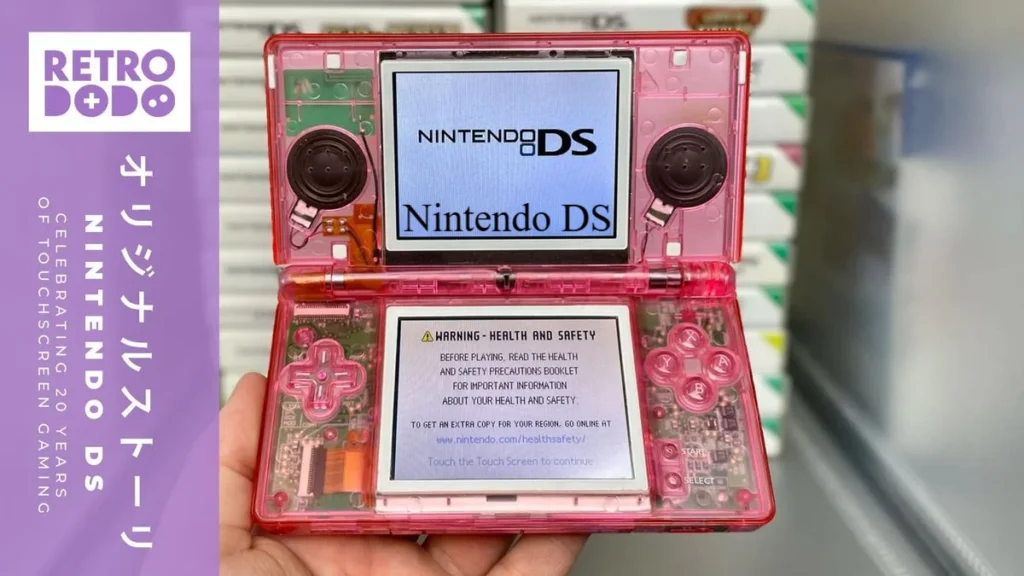
Nintendo DS: A Brief History
The DS arrived in North America on November 21, 2004, followed by Japan on December 2, 2004, Australia in February 2005, and Europe in March 2005. Nintendo positioned it as a “third pillar” beside its home consoles and the Game Boy Advance, not as a direct replacement. The name stood for “Developers’ System,” a nod to the creative experiments Nintendo wanted from studios.
Few expected what happened next. Nintendo reports lifetime sales of about 154 million units, making the DS the best-selling handheld ever and just behind the PlayStation 2 among all dedicated consoles.
Key milestones:
- 2004: Original DS launches with Super Mario 64 DS.
- 2006: DS Lite debuts with a slimmer, brighter design.
- 2008–2009: DSi adds cameras and an online store.
- 2010: DSi XL brings larger screens.
- 2011: The Nintendo 3DS begins replacing the family.
- 2014: Nintendo shuts down the original Nintendo Wi-Fi Connection service on May 20, ending online play for most DS games.
- 2017: Game purchases on the DSi Shop end on March 31.
Why Was the Nintendo DS So Popular?
Short answer: It offered something new at an affordable price, and it appealed to people who didn’t think of themselves as gamers.
A few factors worked together:
- Fresh ideas, not raw power. Sony’s PSP chased console-style graphics. Nintendo bet on touch and novelty.
- Broad audience. Brain Age, Nintendogs and Animal Crossing: Wild World drew in parents, grandparents and kids at the same time.
- A deep, varied library. Role-playing games, puzzles, racing, rhythm and visual novels all found a home.
- Low price and strong battery life, which made it an easy gift.
In my view, the DS succeeded because it lowered the barrier to entry. Pointing a stylus at the screen is intuitive in a way a controller with twelve inputs never was.
Best Nintendo DS Features
Dual-Screen Design
The two screens let games split information naturally: action above, maps, inventory or puzzles below. The Legend of Zelda: Phantom Hourglass and Professor Layton used this layout to keep the interface uncluttered, and it later influenced the Wii U GamePad.
Touchscreen and Stylus
The resistive touchscreen let players draw, write, tap and drag. It made cooking, painting, rhythm and puzzle games feel natural, and it gave developers a reason to design games that couldn’t exist on other handhelds.
Wireless Connectivity
Local wireless play let friends connect without a cable, and even share demos from one cartridge. Online play through Nintendo Wi-Fi Connection brought Mario Kart DS and Pokémon trading to the internet. Those servers closed in 2014, though local multiplayer still works on working hardware.
Best Nintendo DS Games
The DS library is huge, so these picks focus on titles that defined the system or still hold up.
Mario Games
- New Super Mario Bros. (2006): Revived classic side-scrolling Mario and became one of the best-selling DS games.
- Super Mario 64 DS: A launch-window remake with extra characters.
- Mario Kart DS: Popularized online racing on a handheld.
- Mario & Luigi: Bowser’s Inside Story: A funny, inventive role-playing adventure.
Pokémon Games
The DS hosted two full generations plus remakes: Pokémon Diamond and Pearl (Platinum followed), HeartGold and SoulSilver, and Black and White with their sequels. HeartGold and SoulSilver remain fan favorites for their polish and the Pokéwalker accessory, and they are among the most sought-after DS games today.
Nintendo DS Exclusive Games
- The Legend of Zelda: Phantom Hourglass and Spirit Tracks
- Professor Layton and the Curious Village
- Phoenix Wright: Ace Attorney
- Brain Age and Nintendogs
- The World Ends with You
- Ghost Trick: Phantom Detective
- Dragon Quest IX
Nintendo DS Impact on Gaming
The DS reshaped how developers thought about interaction. Its touchscreen helped normalize touch-based play years before smartphones took over, and it proved that a handheld could succeed without competing on graphics.
It also boosted whole genres. Visual novels and puzzle-adventures such as Ace Attorney and Professor Layton found Western audiences, and Japanese role-playing games thrived on the system. The “casual” approach Nintendo took with the DS, and later the Wii, shaped how the industry sells to families.
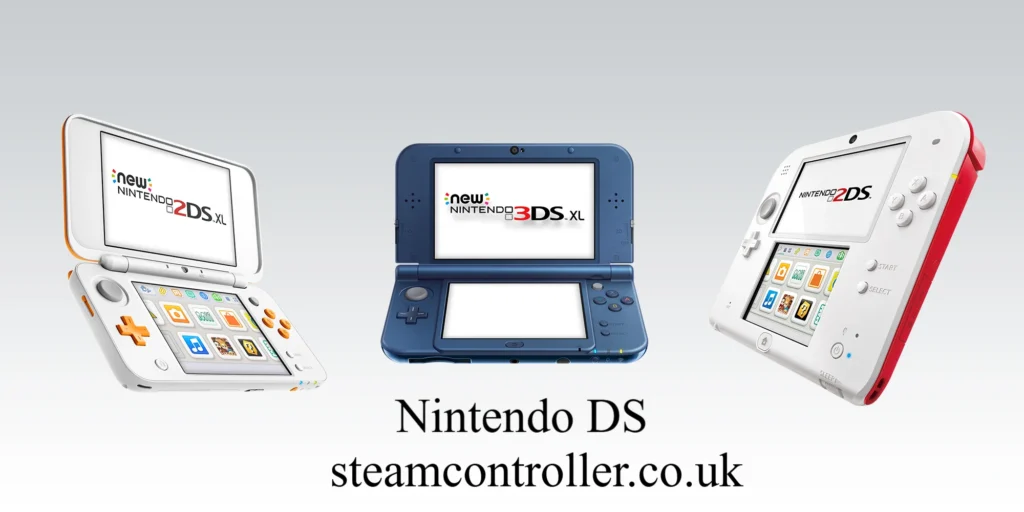
Nintendo DS Models and Versions
| Model | Release (North America) | Key Differences |
|---|---|---|
| Nintendo DS | Nov 2004 | Original design, Game Boy Advance slot |
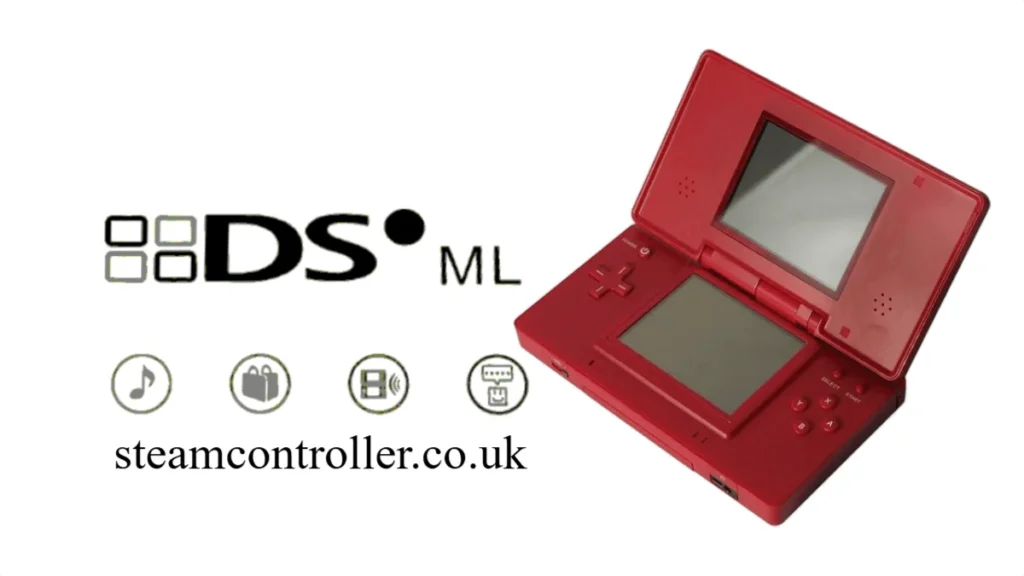
| DS Lite | June 2006 | Slimmer, brighter screens, better battery |
| DSi | April 2009 | Cameras, SD slot, DSiWare store, no GBA slot |
| DSi XL | March 2010 | Larger screens, wider viewing angles |
For most buyers, the DS Lite is the best balance of price and compatibility, since it still plays Game Boy Advance cartridges. The DSi XL is the most comfortable for long sessions, but it loses the GBA slot. The Nintendo 3DS family also plays DS games, so it can serve as an alternative entry point.
Why Nintendo DS Is Still Popular
Nostalgia is the obvious driver, but there are practical reasons too:
- The games hold up. Many titles are as engaging now as they were in 2005.
- Physical collecting is booming. Retro handhelds benefit from wider interest in physical media.
- Simple, durable hardware. Batteries and screens can often be replaced.
- Preservation concerns. With online stores closed, original cartridges are the legal way to play many games.
Nintendo DS Legacy
The DS legacy lives on in Nintendo’s design philosophy. The idea of hardware serving the game, not the spec sheet, carried into the Wii, the 3DS and eventually the Switch. Its biggest franchises, Pokémon, Mario, Zelda and Animal Crossing, grew in part because of it.
Culturally, it is the first dedicated gaming device many people owned, and that early connection explains why the “Feel the Magic” era still resonates.
Frequently Asked Questions
When was the Nintendo DS released?
The Nintendo DS launched in North America on November 21, 2004, in Japan on December 2, 2004, in Australia in February 2005, and in Europe in March 2005.
Why was the Nintendo DS so popular?
It combined a touchscreen, two displays and an affordable price with games for all ages. Titles like Nintendogs and Brain Age attracted people who rarely played video games, while Pokémon and Mario kept core fans engaged.
What are the best Nintendo DS games?
Widely praised picks include New Super Mario Bros., Mario Kart DS, Pokémon HeartGold and SoulSilver, Professor Layton and the Curious Village, Phoenix Wright: Ace Attorney, Phantom Hourglass and The World Ends with You.
Is Nintendo still making DS?
No. Nintendo no longer manufactures DS hardware, and new retail games ended years ago. One Italian outlet lists Big Hero 6: Battle in the Bay in late 2014 as the last physical release. Nintendo DS games stopped being produced about a decade ago, so remaining stock comes from the used market. Official online services for the system have also been shut down.
How much is a DS worth now?
Value depends on the model, condition and what’s included. Common consoles like a used DS Lite typically cost far less than a boxed or special-edition unit, and popular games such as Pokémon HeartGold and SoulSilver command much higher prices than average titles. Prices change often, so check recent sold listings on eBay or a tracker like PriceCharting before buying or selling.
Does GameStop still sell DS?
Availability varies by store and changes with GameStop’s retro inventory, so there is no guarantee. Some locations and its online marketplace have carried used DS consoles and games, but stock is limited and inconsistent. Call your local store, check its website, or compare with eBay, local game shops and conventions.
Why are DS so expensive now?
Several things push prices up: the supply is finite because no new units are made, nostalgia has increased demand, and certain games are collectible. Another factor is condition. Working screens, batteries and hinges are harder to find after 20 years of use. Resellers and the broader retro boom amplify the effect.
Author Bio: Hamid Ali is a gaming and technology writer covering video games, consoles, retro gaming, and emerging industry trends. He creates practical, engaging guides that help readers discover classic games, understand gaming hardware, and make informed buying decisions.
Author Name: Hamid Ali
Email: johanharwewn314@gmail.com
Also Read: